I

Introduction
Intermittent Fasting for Diabetes has quickly become one of the most talked-about health approaches worldwide. From weight loss to better metabolism, many people are turning to this eating pattern to improve their overall health.
But an important question still remains: can it really help manage diabetes?
For people living with diabetes, controlling blood sugar levels is essential. Since diet plays a major role, intermittent fasting is gaining attention as a potential strategy. Instead of focusing only on what you eat, it emphasizes when you eat.
In this guide, we’ll explore the science, benefits, risks, and practical tips to help you decide if intermittent fasting is the right choice for you.
What Is Intermittent Fasting?
Intermittent fasting (IF) is an eating pattern that cycles between fasting and eating periods.
Popular Methods:
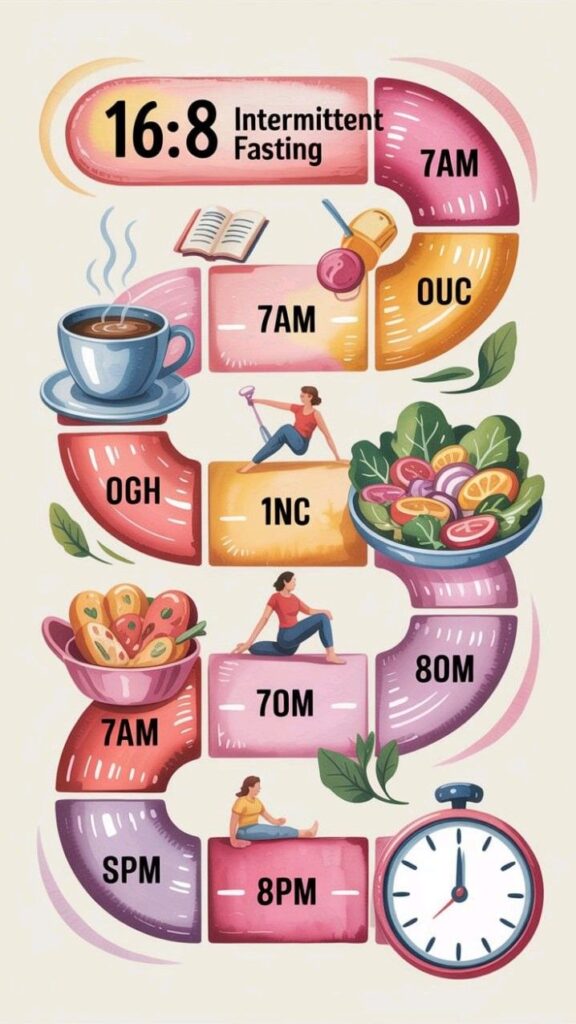
- 16:8 Method: Fast for 16 hours, eat within 8 hours
- 5:2 Diet: Eat normally for 5 days, restrict calories for 2 days
- Alternate-Day Fasting: Eat one day, fast the next
Unlike traditional diets, intermittent fasting does not restrict specific foods. Instead, it focuses on timing your meals.
How Diabetes Affects the Body
Diabetes is a condition where the body cannot properly regulate blood sugar levels.
Types of Diabetes:
- Type 1 Diabetes: Body does not produce insulin
- Type 2 Diabetes: Body becomes resistant to insulin
Insulin helps move sugar from the bloodstream into cells. When this process fails, blood sugar levels rise, leading to serious health issues.
Intermittent Fasting for Diabetes: How It Helps Manage Blood Sugar and Improve Overall Health
Intermittent fasting may improve diabetes through several mechanisms:
1. Improves Insulin Sensitivity
Fasting lowers insulin levels, allowing the body to respond better to it.
2. Reduces Blood Sugar Levels
Fasting periods help stabilize glucose levels and reduce spikes.
3. Promotes Fat Burning
When fasting, the body burns stored fat instead of glucose.
4. Supports Weight Loss
Weight loss is one of the most effective ways to manage type 2 diabetes.

Benefits of Intermittent Fasting for Diabetes
✔ Better Blood Sugar Control
Helps reduce fasting glucose levels over time.
✔ Weight Loss
Even small weight loss can improve insulin resistance.
✔ Reduced Inflammation
Lower inflammation supports better metabolic health.
✔ Simpler Eating Pattern
No need for strict calorie counting.
Risks of Intermittent Fasting for Diabetes
Intermittent fasting is not risk-free, especially for diabetics.
⚠ Low Blood Sugar (Hypoglycemia)
Can occur if medications are not adjusted.
⚠ High Blood Sugar (Hyperglycemia)
Overeating after fasting may spike glucose levels.
⚠ Fatigue & Weakness
Common during early stages.
⚠ Not Suitable for Everyone
Avoid if you:
- Have Type 1 diabetes
- Are pregnant
- Have a history of eating disorders
Intermittent Fasting vs Traditional Diets
Research shows that intermittent fasting is not always better than regular diets.
Both can:
- Improve blood sugar
- Support weight loss
- Enhance overall health
The key difference is sustainability. Choose what fits your lifestyle.
Best Way to Start Intermittent Fasting
If you’re considering intermittent fasting for diabetes, follow these steps:
Begin Slowly
Start with a 12-hour fast before increasing duration.
Stay Hydrated
Drink water, herbal tea, or black coffee.
Eat Balanced Meals
Focus on protein, fiber, and healthy fats.
Monitor Blood Sugar
Track levels regularly.
Consult Your Doctor
Especially important if you take medication.
Does Intermittent Fasting Prevent Diabetes?
Some studies suggest intermittent fasting may reduce the risk of developing type 2 diabetes by:
- Improving insulin sensitivity
- Lowering body fat
- Reducing blood sugar levels
However, more long-term research is needed.
Is Intermittent Fasting Safe for Diabetes?
Intermittent fasting can be safe for people with type 2 diabetes, but only under medical guidance.
It is not generally recommended for type 1 diabetes without strict supervision.
Final Verdict
Intermittent fasting can be an effective tool for managing diabetes, especially type 2 diabetes.
It works best when:
- Combined with a healthy diet
- Done consistently
- Monitored properly
It may not work if:
- Done without planning
- Combined with poor eating habits
- Ignored medical advice
Conclusion
Intermittent fasting is not a miracle cure, but it can support better blood sugar control, weight management, and overall health.
The best approach is to choose a method that fits your lifestyle and medical needs.