
Healthcare services at home are transforming the way people access medical care. What once meant long hospital visits, crowded clinics, and hours of waiting can now be handled comfortably at home. As the need for convenience, safety, and personalized care continues to grow, home healthcare services are becoming one of the most reliable and preferred options for receiving quality treatment.
What is Home Healthcare?
Home healthcare is the delivery of professional medical services right at a patient’s doorstep. It bridges the gap between hospitals and patients’ everyday lives, providing care that is both effective and comfortable. These services are often provided by trained nurses, certified medical professionals, and specialists, ensuring the same standard of care as hospitals.
Unlike traditional healthcare, home healthcare focuses on personalized, patient-centered services, making treatment less stressful while involving family members closely in the recovery process.
Types of Healthcare Services at Home
1. Diagnostic & Sample Collection
- Blood tests, urine tests, ECG, and other diagnostics can now be conducted at home.
- Certified phlebotomists (sample collection professionals) collect the samples, which are then processed in accredited labs.
- Reports are delivered digitally, saving time and ensuring faster treatment decisions.
2. Nursing Care at Home
- Services include wound care, injections, IV therapy, catheterization, and post-surgical support.
- Long-term nursing care for elderly and chronically ill patients.
- Skilled professionals ensure hospital-level nursing while maintaining patient comfort.
3. Physiotherapy & Rehabilitation
- Customized physiotherapy sessions for recovery after surgeries, accidents, strokes, or joint pain.
- Helps restore mobility, reduce pain, and improve independence.
- Especially beneficial for seniors or patients who cannot travel frequently.
4. Doctor Consultations
- General physicians and specialists can either visit at home or consult online via telemedicine.
- Helps in managing chronic illnesses like diabetes, hypertension, or asthma.
- Immediate care for minor illnesses without hospital visits.
5. Elderly & Palliative Care
- Comprehensive care for seniors who require assistance in daily activities.
- End-of-life palliative care with dignity, compassion, and pain management.
- Supports families in managing long-term health conditions.
6. Maternal & Child Care
- Antenatal and postnatal check-ups, newborn care, and lactation counseling.
- Vaccination services at home for children.
- Home visits by gynecologists, pediatricians, and trained nurses.
7. Medical Equipment at Home
- Oxygen concentrators, cardiac monitors, CPAP/BiPAP machines, wheelchairs, and hospital beds can be rented or purchased.
- Equipment setup and usage training provided by professionals.
- Reduces hospitalization costs for long-term patients.

Benefits of Home Healthcare
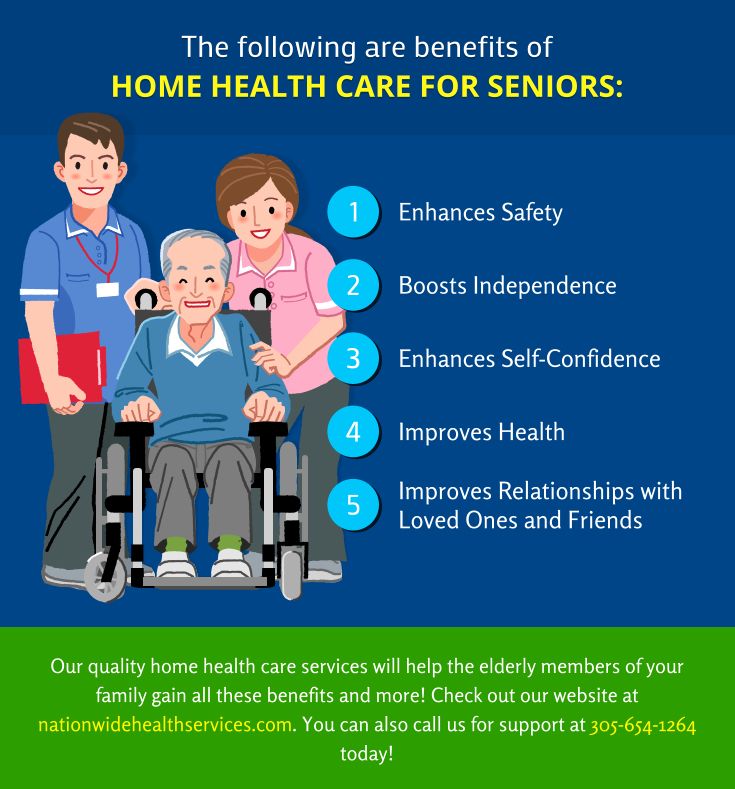
- Convenience & Comfort – Eliminates the need for travel, waiting in queues, or multiple hospital visits.
- Safety from Infections – Especially important in the post-COVID world, as home care reduces exposure to hospital-acquired infections.
- Cost-Effectiveness—Home healthcare often costs less than prolonged hospital stays while offering equal-quality care.
- Personalized Attention – One-on-one care ensures that the patient’s needs are prioritized.
- Faster Recovery – Patients often heal quicker in a familiar, stress-free environment surrounded by loved ones.
- Family Involvement – Families are actively engaged in care, leading to better monitoring and emotional support for patients.
Who Benefits Most from Home Healthcare?
- Elderly patients who require assistance with daily health monitoring.
- Post-surgical patients recovering from operations who cannot travel frequently.
- Chronic illness patients managing conditions like diabetes, hypertension, or heart disease.
- Bedridden or palliative care patients who need continuous medical support.
- Working professionals & busy families who prefer home sample collection and preventive health check-ups.
- Pregnant women & new mothers who need regular care and newborn monitoring.
Technology Driving Home Healthcare
The rise of digital health tools has made home healthcare smarter and more accessible:
- Telemedicine & Video Consultations – Connects patients with doctors instantly.
- Wearable Devices—Smartwatches and monitors track blood pressure, sugar levels, oxygen, and heart rates.
- Remote Patient Monitoring (RPM) – Doctors receive real-time updates on patients’ vitals.
- Teleradiology & Digital Reports – X-rays, CT scans, and MRI results can be shared with specialists worldwide.
- Mobile Health Apps—Appointment booking, report access, and health reminders made easy.
Challenges in Home Healthcare
Despite its growth, home healthcare faces some hurdles:
- Lack of awareness among patients about available services.
- Shortage of trained professionals in smaller towns and rural areas.
- High cost of advanced home medical equipment.
- Regulatory and safety standards are still evolving in many regions.
Future of Home Healthcare
The future of healthcare lies at home. With increasing urbanization, aging populations, and digital innovation, demand for home-based healthcare is expected to rise exponentially. Healthcare providers are investing in AI-powered diagnostics, portable devices, and doorstep medical care to make healthcare more accessible and affordable.
Governments and private healthcare organizations are also promoting preventive health check-ups at home, which can significantly reduce the burden on hospitals. By 2030, experts predict that home healthcare will be one of the largest segments of the healthcare industry worldwide.
Conclusion
Healthcare services at home are transforming patient care by combining professional expertise with comfort and convenience. From diagnostic tests and nursing care to elderly support and physiotherapy, home healthcare is bridging the gap between hospitals and households.
It is more than a service—it is a shift toward patient-centered healthcare, where treatment adapts to people’s lifestyles rather than the other way around. By choosing home healthcare, patients not only save time and money but also recover in the best place possible: their own home.