
6 Important Tests to Monitor Your Health During Pollution Season
Health during pollution season is more important than ever. Rising pollution levels can place additional stress on the lungs, heart, and immune system, even in otherwise healthy individuals. Understanding these risks and monitoring your health proactively can help identify potential concerns early and support better long-term well-being.
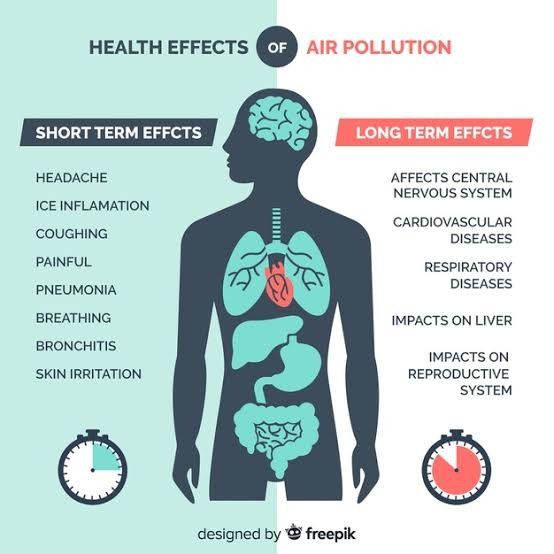
During pollution season, many people experience symptoms such as coughing, throat irritation, watery eyes, headaches, fatigue, and breathing difficulties. While these symptoms may seem temporary, prolonged exposure to polluted air can have a significant impact on your lungs, heart, immune system, and overall well-being.
The good news is that regular health monitoring can help identify potential issues early. A few simple tests can provide valuable insights into how your body is responding to pollution and help you take preventive action before small problems become serious health concerns.
In this guide, we’ll explore six important tests that can help you stay healthy during pollution season, who should consider getting tested, and practical steps you can take to reduce pollution-related health risks.
Understanding the Impact of Air Pollution on Health
Air pollution consists of harmful particles and gases, such as
- PM2.5 and PM10 particulate matter
- Nitrogen dioxide (NO₂)
- Sulfur dioxide (SO₂)
- Carbon monoxide (CO)
- Ozone (O₃)
- Vehicle emissions
- Industrial pollutants
- Dust and smoke particles
These pollutants can enter the body through the respiratory system and, in some cases, even enter the bloodstream.
Over time, pollution exposure may contribute to the following:
- Respiratory infections
- Asthma attacks
- Chronic bronchitis
- Reduced lung function
- Heart disease
- Increased inflammation
- Allergic reactions
- Fatigue and headaches
- Reduced immunity
Children, senior citizens, pregnant women, and people with pre-existing health conditions are particularly vulnerable.
This is why monitoring your health during pollution season is not just advisable. It is becoming increasingly necessary.
1. Complete Blood Count (CBC)
A Complete Blood Count (CBC) is one of the most basic yet informative diagnostic tests available.
This test measures various components of your blood, including:
- Red Blood Cells (RBC)
- White Blood Cells (WBC)
- Hemoglobin
- Hematocrit
- Platelets
Why Is CBC Important During Pollution Season?
Air pollution can trigger inflammatory responses within the body. Exposure to pollutants may also increase susceptibility to infections and respiratory illnesses.
A CBC test helps doctors evaluate your overall health and identify signs of:
- Infection
- Inflammation
- Anemia
- Immune system abnormalities
If you’ve been experiencing unusual fatigue, weakness, recurring infections, or persistent respiratory symptoms, a CBC can provide valuable insights.
Who Should Get a CBC Test?
- Adults exposed to outdoor pollution daily
- Individuals with respiratory symptoms
- Senior citizens
- People with weakened immunity
- Anyone undergoing routine preventive health screening
2. Pulmonary Function Test (PFT)
Your lungs bear the greatest burden of air pollution exposure.
A Pulmonary Function Test (PFT) measures how effectively your lungs work and how efficiently air moves in and out.
Why Is PFT Important During Pollution Season?
Pollution can gradually reduce lung function without causing noticeable symptoms initially.
A PFT helps evaluate:
- Lung capacity
- Breathing efficiency
- Airflow obstruction
- Oxygen exchange performance
It is particularly useful for detecting early signs of respiratory impairment.
Symptoms That May Indicate a Need for PFT
- Persistent cough
- Wheezing
- Breathlessness
- Chest tightness
- Reduced exercise tolerance
Who Should Consider This Test?
- Asthma patients
- COPD patients
- Smokers
- Elderly individuals
- People living in highly polluted areas
Early detection can help prevent long-term respiratory complications.
3. Vitamin D Test
Most people associate vitamin D deficiency with limited sunlight exposure. During pollution season, this concern becomes even more relevant.
Heavy smog and air pollution can reduce sunlight penetration, limiting your body’s ability to produce vitamin D naturally.
Why Is Vitamin D Important?
Vitamin D supports:
- Immune function
- Bone health
- Muscle strength
- Mood regulation
Low vitamin D levels can contribute to:
- Frequent infections
- Fatigue
- Muscle pain
- Bone weakness
Why Test During Pollution Season?
Many people avoid outdoor activities when air quality deteriorates. Combined with reduced sunlight exposure, this increases the risk of vitamin D deficiency.
Regular testing helps determine whether supplementation or lifestyle changes are needed.
4. C-Reactive Protein (CRP) Test
The C-Reactive Protein (CRP) test measures inflammation levels within the body.
Inflammation is a natural immune response, but chronic inflammation can increase the risk of various health problems.
How Does Pollution Affect Inflammation?
Research has shown that long-term exposure to polluted air may contribute to systemic inflammation.
Inflammation can affect:
- Respiratory health
- Cardiovascular health
- Immune function
- Metabolic health
Why Consider a CRP Test?
A CRP test may help:
- Detect hidden inflammation
- Monitor chronic conditions
- Evaluate health risks associated with pollution exposure
Although a CRP test does not identify the exact cause of inflammation, it serves as an important warning signal that further investigation may be needed.
5. Lipid Profile
Many people think pollution only affects the lungs. However, studies increasingly suggest that air pollution can also influence cardiovascular health.
A lipid profile measures the following:
- Total cholesterol
- LDL (Bad Cholesterol)
- HDL (Good Cholesterol)
- Triglycerides
Why Is This Important During Pollution Season?
Fine particulate matter can enter the bloodstream through the lungs.
This may contribute to:
- Blood vessel inflammation
- Increased cardiovascular stress
- Higher risk of heart disease
Monitoring cholesterol levels can help identify cardiovascular risk factors that may be worsened by environmental exposure.
Who Should Get Tested?
- Adults over 30
- Individuals with diabetes
- Patients with hypertension
- Those with a family history of heart disease
Protecting heart health is just as important as protecting lung health during pollution season.
6. Allergy Screening Test
Pollution and allergies often go hand in hand.
Airborne pollutants can increase sensitivity to allergens and aggravate existing allergic conditions.
Common Symptoms
- Sneezing
- Runny nose
- Nasal congestion
- Itchy eyes
- Skin irritation
- Breathing difficulties
Benefits of Allergy Testing
An allergy screening test can identify specific triggers such as the following:
- Dust mites
- Pollen
- Mold
- Pet dander
- Environmental allergens
Understanding your triggers helps healthcare providers develop targeted treatment plans and preventive strategies.
Additional Tests Worth Considering
Depending on your health status and symptoms, your doctor may also recommend:
Chest X-Ray
Useful for evaluating persistent respiratory symptoms or recurrent lung infections.
ECG (Electrocardiogram)
Helps assess heart health, especially in individuals with cardiovascular risk factors.
HbA1c Test
Useful for people with diabetes or those at risk of developing diabetes.
Liver and Kidney Function Tests
May be included as part of a comprehensive preventive health checkup.
Who Is Most Vulnerable to Pollution?
Certain groups face greater risks from poor air quality.
These include:
Children
Children breathe faster than adults, and their lungs are still developing.
Senior Citizens
Age-related decline in lung and heart function increases vulnerability.
Pregnant Women
Pollution exposure may affect both maternal and fetal health.
People with Asthma
Pollution is a major trigger for asthma flare-ups.
Individuals with Heart Disease
Poor air quality may increase cardiovascular stress.
Outdoor Workers
Those who spend significant time outdoors often experience higher exposure levels.
Health During Pollution Season: Signs Your Body May Be Affected by Air Pollution
Pay attention to symptoms such as
- Persistent cough
- Shortness of breath
- Wheezing
- Frequent headaches
- Fatigue
- Burning eyes
- Throat irritation
- Increased allergy symptoms
- Reduced stamina
If symptoms persist or worsen, seeking medical advice is important.
Health During Pollution Season: Practical Ways to Protect Yourself from Air Pollution
Testing is important, but prevention remains your first line of defense.
Wear a High-Quality Mask
N95 masks can help filter fine particulate matter.
Monitor Air Quality
Check local Air Quality Index (AQI) updates before outdoor activities.
Stay Indoors During Peak Pollution Hours
Limit outdoor exposure when pollution levels are highest.
Use air purifiers.
Indoor air quality can significantly impact overall exposure.
Stay Hydrated
Water supports normal respiratory function and overall health.
Eat Antioxidant-Rich Foods
Include:
- Oranges
- Berries
- Tomatoes
- Spinach
- Broccoli
- Nuts
- Green tea
These foods may help support the body’s natural defense systems.
Exercise Smartly
Avoid outdoor exercise during high-pollution periods.
Choose indoor workouts when air quality is poor.

Health During Pollution Season: When Should You Consult a Doctor?
Seek medical attention if you experience:
- Persistent coughing
- Difficulty breathing
- Frequent chest infections
- Worsening asthma symptoms
- Chest pain
- Unexplained fatigue
Early intervention can prevent complications and improve outcomes.
Frequently Asked Questions (FAQs)
1. Health During Pollution Season: Why Should I Get Tested?
Testing helps identify early changes in lung function, inflammation levels, and overall health before serious symptoms develop.
2. Can pollution affect healthy individuals?
Yes. Even healthy individuals may experience respiratory irritation, inflammation, allergies, and reduced lung function due to prolonged exposure.
3. Which test is best for checking lung health?
A pulmonary function test (PFT) is one of the most effective ways to evaluate lung performance.
4. Health During Pollution Season: Does Air Pollution Increase Allergy Symptoms?
Yes. Pollution can worsen existing allergies and increase sensitivity to environmental triggers.
5. Health During Pollution Season: Can Air Pollution Affect Heart Health?
Yes. Research suggests that prolonged exposure to polluted air may contribute to cardiovascular problems.
6. How often should I get these tests?
The frequency depends on age, health conditions, exposure levels, and medical advice. Annual preventive screenings are generally recommended.
7. Is a CBC test enough?
A CBC provides valuable information but should be combined with other tests when necessary.
8. Health During Pollution Season: Why Is Vitamin D Testing Important?
Reduced sunlight exposure and indoor lifestyles can increase the risk of deficiency.
9. Health During Pollution Season: Can Children Be Affected by Air Pollution?
Yes. Children are among the most vulnerable groups because their lungs are still developing.
10. Health During Pollution Season: Can Pollution Exposure Cause Long-Term Health Issues?
Prolonged exposure may contribute to respiratory disease, cardiovascular conditions, and chronic inflammation.
11. Health During Pollution Season: What Foods Can Help Combat Pollution-Related Health Effects?
Foods rich in antioxidants, vitamins, and minerals may support overall health and immunity.
12. Should asthma patients undergo regular testing?
Yes. Regular monitoring can help detect changes in lung function and improve disease management.
13. Can indoor air be polluted too?
Yes. Dust, smoke, cooking fumes, and poor ventilation can contribute to indoor pollution.
14. What is the AQI?
AQI stands for Air Quality Index, a measurement used to indicate how polluted the air is and the associated health risks.
15. Can pollution lower immunity?
Long-term exposure may affect immune responses and increase susceptibility to infections.
Final Thoughts
Air pollution is no longer just an environmental concern. It has become a significant public health challenge that affects millions of people every day. While avoiding pollution entirely may not be possible, understanding its impact and monitoring your health regularly can make a meaningful difference.
Tests such as CBC, pulmonary function test, vitamin D, CRP, lipid profile, and allergy screening can provide valuable insights into how your body is responding to pollution exposure. Combined with preventive measures and healthy lifestyle choices, these tests can help you stay one step ahead of potential health problems.
Your health is your most valuable asset. This pollution season, don’t wait for symptoms to become severe. Regular health monitoring can help you breathe easier, live healthier, and protect your future well-being. https://www.facebook.com/profile.php?id=61581623351728