
Introduction: Why Childhood Obesity Is a Serious Issue Today
Childhood obesity is becoming more common than ever before. Many children today are gaining unhealthy weight at a young age, which can affect their health now and in the future.
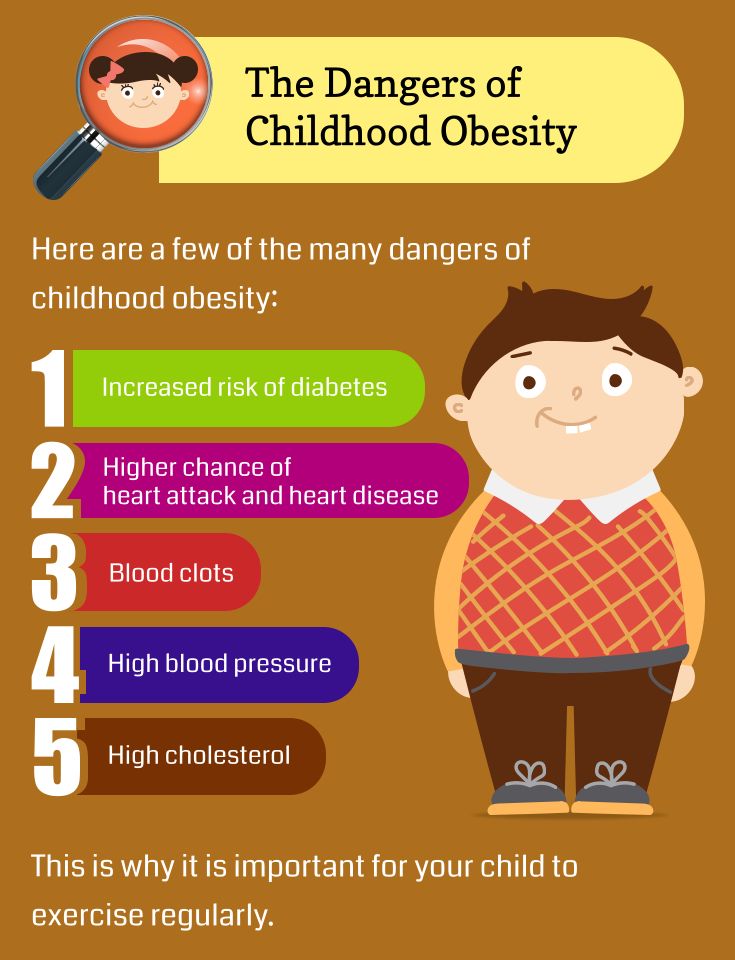
This is not just about appearance. Childhood obesity increases the risk of diabetes, heart disease, breathing problems, and emotional stress. Children who are overweight are also more likely to remain obese as adults.
The good news is that childhood obesity can be prevented and managed with early care, healthy habits, and family support.
What Is Childhood Obesity?
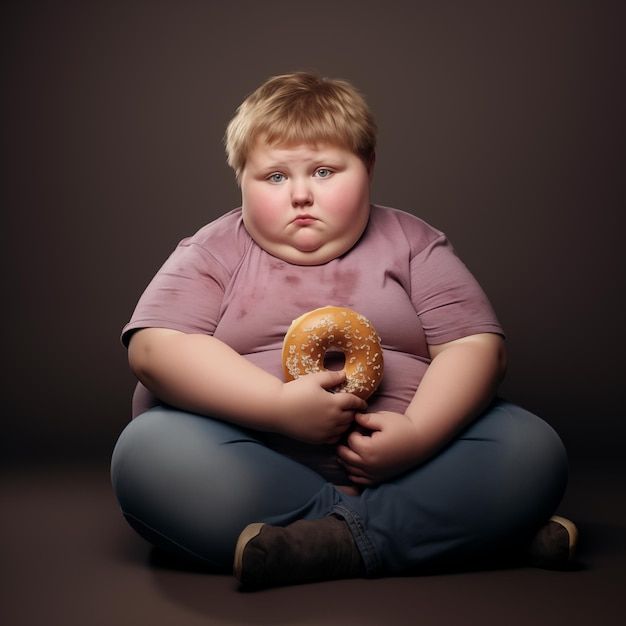
Childhood obesity happens when a child gains too much body fat for their age and height. This extra weight can affect the child’s physical health, mental well-being, and daily activities.
Doctors use a simple screening tool to check whether a child’s weight is healthy.
Understanding BMI in Children
BMI (Body Mass Index) is used to understand if a child’s weight is normal.
For children:
- BMI is compared with others of the same age and gender
- A child is obese if BMI is 95% or higher
- A child is overweight if BMI is between 85% and 94%
This helps doctors decide whether a child needs lifestyle changes or medical advice.
Difference Between Overweight and Obesity
- Overweight means the child has gained extra weight
- Obesity means the child has excess body fat and higher health risks
Obesity needs more attention because it can lead to serious health problems.
Childhood Obesity Statistics (Global & National)
Childhood obesity is rising across the world. More children today eat processed food, spend time on screens, and play less outdoors.
In many countries, childhood obesity is increasing even while some children still face undernutrition. This makes prevention more important than ever.
Causes of Childhood Obesity
Childhood obesity usually develops due to daily habits, not one single reason.
Unhealthy Eating Habits
Processed Foods and Sugary Drinks
Packaged snacks, fast food, sweets, and soft drinks are high in sugar and unhealthy fats. These foods:
- Increase weight quickly
- Provide very little nutrition
- Make children crave more junk food
Large Portions and Mindless Eating
Children often eat while watching TV or using mobile phones. This leads to overeating because they do not notice when they are full.
Lack of Physical Activity
Children need movement to stay healthy. Today, many children:
- Play less outdoors
- Spend more time sitting
- Do not get enough daily exercise
This reduces calorie burning and weakens muscles and bones.
Screen Time and Sedentary Lifestyle
Too much screen time leads to:
- Less physical activity
- More junk food cravings
- Poor sleep habits
Limiting screen time helps children stay active and healthy.
Genetic and Family Factors
Children are more likely to become obese if:
- Parents are overweight
- Unhealthy eating habits are common at home
- Physical activity is low in the family
Healthy family habits make a big difference.
Emotional and Psychological Factors
Some children eat more when they feel:
- Stressed
- Lonely
- Bored
- Sad
This emotional eating can slowly lead to unhealthy weight gain.
Health Risks of Childhood Obesity
Childhood obesity can affect almost every part of the body.
Type 2 Diabetes in Children
Extra body fat can cause insulin resistance. This increases the risk of type 2 diabetes, which can damage the eyes, kidneys, and nerves over time.
Heart Disease and High Blood Pressure
Overweight children may have:
- High cholesterol
- High blood pressure
These problems increase the risk of heart disease later in life.
Breathing Problems
Obese children may face:
- Asthma
- Breathing difficulty
- Sleep apnea (breathing problems during sleep)
Joint and Bone Problems
Extra weight puts pressure on growing bones and joints, causing:
- Joint pain
- Poor posture
- Difficulty in movement
Hormonal and Puberty Problems
Childhood obesity can disturb hormones, leading to:
- Early or delayed puberty
- Irregular periods in girls
- Delayed development in boys
Mental and Emotional Effects of Childhood Obesity
The emotional impact is often ignored but very real.
Low Self-Esteem and Poor Body Image
Overweight children may feel unhappy with their bodies and lose confidence.
Anxiety and Depression
Children who are obese are more likely to feel anxious, sad, or depressed, especially if they feel judged or different.
Bullying and Social Isolation
Obese children are more likely to face teasing or bullying at school, which can affect learning and mental health.
Long-Term Effects of Childhood Obesity
Children who are obese often remain obese as adults. This increases the risk of:
- Diabetes
- Heart disease
- Stroke
- Certain cancers
Early prevention protects future health.
Role of Parents in Preventing Childhood Obesity
Parents play the most important role.
Building Healthy Eating Habits at Home
Parents can:
- Offer home-cooked meals
- Add fruits and vegetables daily
- Reduce junk food and sugary drinks
- Eat healthy together as a family
Encouraging Physical Activity
Encourage children to:
- Play outdoors
- Join sports
- Walk or cycle
- Be active with family members
Children copy what parents do.
Role of Schools and Community
Schools should:
- Promote healthy meals
- Include regular physical activity
- Educate children about nutrition
Communities can help by providing safe play areas and health programs.
Importance of Early Intervention
The earlier childhood obesity is addressed, the easier it is to manage. Waiting for a child to “grow out of it” can lead to long-term health problems.
Healthy Diet Tips for Children
- Choose fruits and vegetables daily
- Include whole grains and protein
- Limit sugary snacks and fast food
- Encourage drinking water
- Teach children to eat slowly
Physical Activity Guidelines for Children
Children should get at least 60 minutes of physical activity every day. This can include playing sports, dancing, or cycling.
Managing Screen Time for Children
- Limit screen time to 2 hours per day
- Encourage screen-free play
- Avoid screens during meals and bedtime
When Should Parents See a Doctor?
Parents should seek medical advice if:
- Weight gain is rapid
- The child has breathing problems
- The child feels sad or withdrawn
- Physical movement becomes difficult
Doctors can guide parents safely and support healthy growth.
Conclusion
Childhood obesity is a serious but preventable health condition. With balanced nutrition, regular physical activity, emotional support, and early action, children can achieve a healthy future. Small daily changes can create lifelong benefits.
FAQs About Childhood Obesity
1. Can childhood obesity be reversed?
Yes. Healthy eating, physical activity, and early care can help manage and reverse obesity.
2. Is childhood obesity only genetic?
No. Lifestyle habits play a much bigger role than genetics.
3. How much screen time is safe for children?
Experts recommend no more than 2 hours of recreational screen time daily.
4. When should parents worry about weight gain?
If weight gain affects health, movement, or confidence, consult a doctor.
5. What is the best way to prevent childhood obesity?
A healthy home environment with nutritious food and regular activity.https://www.facebook.com/profile.php?id=61581623351728